Otherworldly Leap in Warlock: Dungeons & Dragons
The long-jump cantrip Invoke put on the public grimoire
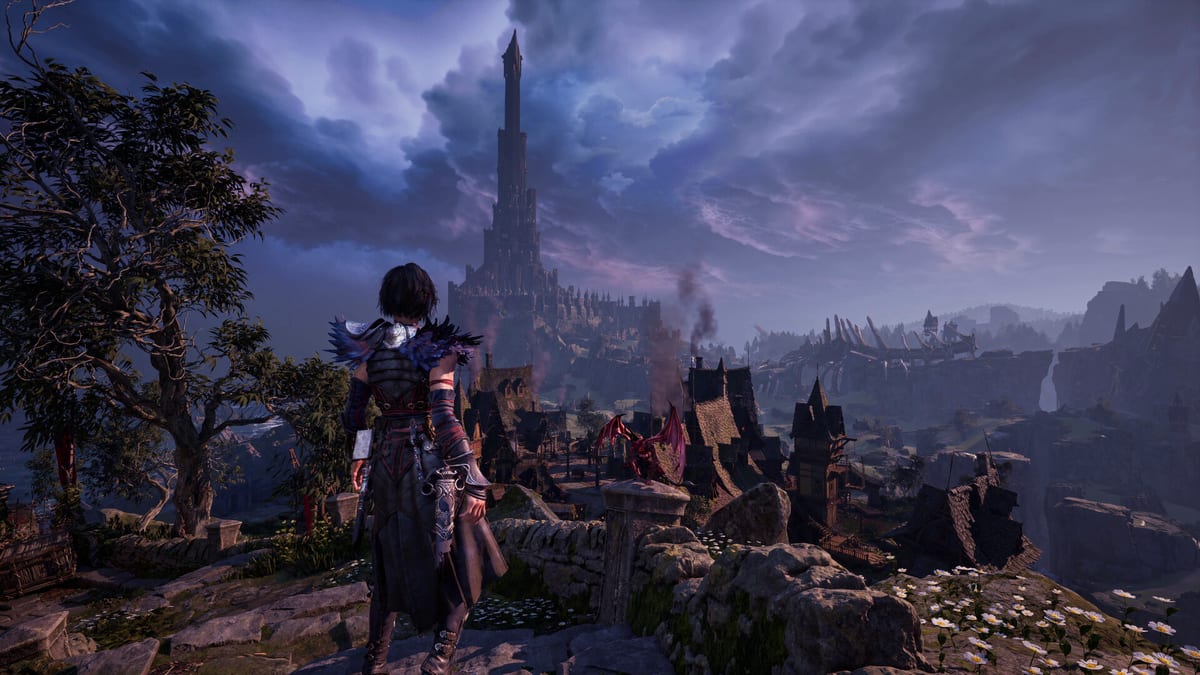
The official Warlock site describes Otherworldly Leap in one sentence: jump over a great distance with the option to land powerfully in a melee attack. That is the whole tooltip. It is listed among the partial grimoire with Eldritch Blast, Witch Bolt, Gust of Wind, Levitate, Fey Switch, Black Tentacles, Misty Step, Tasha’s Leash, and the Downpour ritual. Invoke says more of Kaatri’s magic will appear later. This page is the jump, not the movement handbook.
A cantrip job, not a movement slot
Tabletop readers arrive expecting the Jump spell, feather fall, or a dimension-door shortcut. Invoke’s public model is different: cantrips stay on the pad, advanced spells take a slower commit, rituals spend components. Otherworldly Leap sits in the always-available layer — a long jump with a melee finishing option baked into the tooltip. The phrase “option to land powerfully” implies a player choice: leap for positioning, or leap and strike. Until Invoke shows otherwise, treat both as real and leave the damage number alone.
The coverage groups it with Eldritch Blast as always-available pad tools. Where blast deletes at range, Otherworldly Leap repositions you across terrain or onto an enemy. That is a job description: cover ground fast and choose whether the landing is a landing or an attack. How to use spells is the tutorial for that layering. Cantrips vs advanced is the taxonomy.
How it sits next to other tools
Misty Step blinks you in place. Levitate raises you vertically. Fey Switch vanishes you backward. Otherworldly Leap is the forward momentum tool — it goes where you are looking, not where you are standing. Gust of Wind pushes enemies aside; Otherworldly Leap goes through or over them. Tasha’s Leash steals a sword. Black Tentacles pins a group. Witch Bolt chains through water. Raw Magic is the unknown layer Invoke has not shown yet.
That lineup is why the combo page pairs movement spells by direction: backward is Fey Switch, vertical is Levitate, forward and far is Otherworldly Leap. When a fight is in a courtyard with high ground, the forward leap gets you there. When a doorway is blocked, the leap goes over. The controls page covers how movement inputs feed into spell pads.
Melee landing and what it implies
“Landing powerfully in a melee attack” is the most specific phrase in the tooltip. It means the jump does not end your turn by default — you arrive and can spend the melee button. This is not a teleport that drops you in a stance; it is a leap that can end in a swing. Combat will describe how landing attacks differ from ground attacks. Exploration will describe how terrain and height factor into jump decisions.
Do not paste a damage number here. Do not rank it S-tier. Do not add a cooldown Invoke has not named. If a later trailer shows the landing triggering a knockup, an area denial ring, or a Tasha’s Leash sword-drop, that verb gets a sentence here with a source. Until then, “option to land powerfully” is the legal text.
What this page refuses
No DPS sheet. No “best Otherworldly Leap build.” Builds on this wiki are Pact of the Blade thinking plus spell loadouts, not numeric ranks. Talismans that “synergize with favorite spells” were mentioned by Hattem without a named Otherworldly Leap charm. When one exists, it belongs on builds with a source.
Watch the eight minutes on how to play. Use the combo planner to sketch leap-then-strike without inventing cooldowns. Read mysteries for how Darkon’s landscape rewards vertical repositioning. Read rituals for what the Downpour ritual does to a courtyard where Otherworldly Leap lands.
How to watch for it in the next trailer
When Invoke drops a 2026 clip, pause on every jump that covers more ground than a standard step. A normal jump is not this page. A forward leap with a landing swing is the tool. If the landing leaves a crack in the ground, write “area” here with a clip date. If the landing is just a melee swing with forward momentum, leave the tooltip as written. Skev may comment; he is not the caster. Tasha is the patron who granted the leap, not the one casting it.
Related: spells hub, Eldritch Blast, witch bolt, Tasha’s Leash, gust of wind, black tentacles, fey switch, misty step, levitate, raw magic, combos, cantrips advanced.
What we still refuse to invent on this page: Notes on spells/otherworldly-leap-en-0 stay unique. No damage numbers, cooldowns, talisman names, or advancement verbs appear here unless Invoke has published them. When the next trailer drops a landing animation, a ground crack, or a named talisman, this page updates with a clip date and a source.
Frequently Asked Questions
Quick answers drawn from official Warlock: Dungeons & Dragons reveals and studio interviews.
Is Otherworldly Leap a cantrip in Warlock the video game?
Coverage groups it with always-available pad tools. Invoke has not published a 5e-style slot table. Treat it as a long jump with a melee option, always ready.
What does "land powerfully" mean exactly?
The official tooltip says the jump ends with the option to deliver a melee attack. It does not give a damage number. The "powerfully" adverb is descriptive, not quantitative.
Does it go over obstacles like Gust of Wind pushes?
Otherworldly Leap is a forward leap. Gust of Wind clears a path by pushing enemies aside. The leap goes through the gap or over the obstacle. Terrain interaction is confirmed; the exact height limit is not.
Is this the same as the tabletop Jump spell?
No. The tabletop Jump spell triples your jump distance. Otherworldly Leap is a named grimoire entry with its own tooltip and a built-in melee option. Do not paste a 5e Jump spell effect onto this page.