Levitate in Warlock: Dungeons & Dragons
The telekinetic lift that nullifies gravity and slams foes into the ground
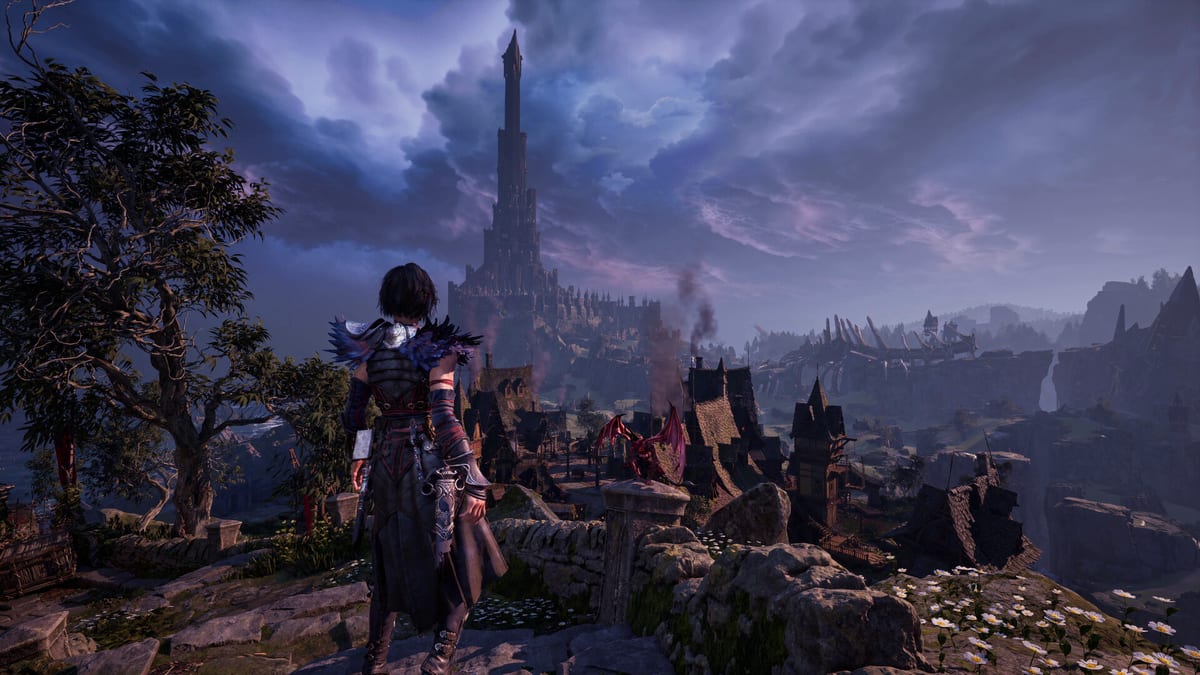
The official Warlock site describes Levitate in one sentence: lift enemies or inanimate objects into the air. Objects held this way have their gravity nullified and can be slammed down. That is the whole tooltip. It is listed among the partial grimoire with Eldritch Blast, Witch Bolt, Gust of Wind, Fey Switch, Black Tentacles, Misty Step, Tasha’s Leash, a long jump, and the Downpour ritual. Invoke says more of Kaatri’s magic will appear later. This page is the lift and the slam, not the physics lecture.
A cantrip on the coverage pad
Tabletop readers arrive expecting a 10-minute concentration window, a Wisdom save, and a strength check. Invoke’s public model is different: cantrips stay on the pad, advanced spells take a slower commit, rituals spend components. Levitate sits in the always-available layer in coverage. That means it is on the hotbar alongside Eldritch Blast and Witch Bolt, ready to lift something on every encounter without a rest economy. Xbox Wire described it as the telekinetic alternative when you need to move an enemy out of position without committing a higher spell slot.
The tooltip says you can lift enemies or inanimate objects. The phrase “gravity nullified” tells you the lifted target floats freely — no rope, no web, no sustained concentration beam. The target stays suspended until you choose to release it or slam it. That is the verb that matters: slam down. Invoke used slam as the published action. Do not add a fall-damage number that has not shipped.
Lift, position, slam
The practical loop is three steps. First, activate Levitate on a target within range. The target rises off the ground and hovers. Second, while suspended, the target cannot walk, run, or ground-punch — it ispositioned above the battlefield. Third, when you choose, the lifted target slams into the ground. The tooltip says can be slammed down; it does not say automatic. The player decides when to release.
That decision tree opens several tactical options. Lifting a melee enemy removes it from arm’s reach of your front line. Lifting a ranged enemy suspends it above cover it was using. Lifting an object — a barrel, a chandelier, a stone column — lets you hold it overhead and choose the slam moment. Lifting a enemy over a hazard — a pit, a bonfire, a spike trap — means the slam carries the terrain with it. How to combo magic has the full playbook on pairing Levitate with hazards, Eldritch Blast with Witch Bolt, and the rare Tasha’s Leash into Fey Switch.
Dominic Guay told IGN the game wants you to break problems with spells you may already know from the table, in real time. Levitate is the clearest example: same word, different timing. At the table you might ready an action to release. In Warlock you hold the trigger and choose the frame. That is not a rule change — it is a control scheme change. Controls covers the pad mapping. How to use spells covers the commitment layer.
How it sits next to other tools
Fey Switch is a panic teleport. Misty Step is a short-burst blink. Otherworldly Leap is a personal vault. Levitate is the only tool in the public kit that moves an enemy without killing it. That is its job description. Witch Bolt tags and stuns on contact. Black Tentacles grapple and restrain. Eldritch Blast deletes at range. Levitate separates a target from the ground and hands you the timer.
Black Tentacles appears in the same grimoire cluster. Where Black Tentacles pins a target in place with a tentacle mass, Levitate removes the target from the floor entirely. They do not stack — Invoke has not shown a combo — but they answer different questions. Black Tentacles asks: how do I stop this enemy from moving? Levitate asks: how do I move this enemy somewhere else? Spell combos treats the lift-then-slam as its own entry in the combo log.
Gust of Wind blows away gas clouds and forces ranged enemies to retreat. It does not lift. Otherworldly Leap vaults Kaatri over obstacles. It does not touch the enemy. Tasha’s Leash yanks a sword from an enemy’s hand — not the enemy. The Raw Magic page tracks which spells Invoke has named publicly. Levitate is there. The slam verb is there. Do not add fall damage, forced movement speed, or duration numbers.
What this page refuses
No fall-damage calculation. No “best height” for maximum slam damage. No interaction with strength saves, concentration checks, or object HP that Invoke has not published. The word slam appears in the official tooltip as a verb describing what the player can do, not a numeric outcome. When a trailer or patch note shows a damage number attached to the slam, that number goes here with a source. Until then, the page describes the verb, not the result.
No height limit. The tooltip says lift, not “lift up to X meters.” The phrase “gravity nullified” implies free float, not a capped rise. Until Invoke shows a meter count or a ceiling interaction, the page says “lifts into the air” without a number.
Watch the platforms news for spell-pad footage. Watch the Gamescom previews for hands-on footage that may show a lift-slam combo in a combat arena. If a talisman named for Levitate appears in a menu, it belongs on builds with a source clip, not as a guessed prefix from the Dungeon Master’s Guide.
Related: spells hub, Eldritch Blast, Witch Bolt, Black Tentacles, Tasha’s Leash, Fey Switch, Misty Step, Otherworldly Leap, Raw Magic, spell combos, cantrips advanced, how to use spells, how to combo magic, combat, exploration, mysteries, rituals, controls, weapons, Kaatri, Tasha, Skev, Darkon, Crickshank, Domains of Dread, Pact of the Blade, spell loadouts, how to play, how to find Raw Magic, how to explore Darkon, how to beat enemies, platforms news, gameplay reveal, Gamescom previews, TGA announcement, release date, cosplay tour, spell combo planner, pact planner, wishlist platforms, review, vs Baldur’s Gate 3, vs Dark Alliance.
What we still refuse to invent on this page: slam damage values, lift height limits, duration, concentration rules, object HP thresholds, any talisman that mentions Levitate before Invoke names one, and anything labelled “Notes on spells/levitate-XX-0 stays unique” until Invoke posts patch notes with that exact string.
Frequently Asked Questions
Quick answers drawn from official Warlock: Dungeons & Dragons reveals and studio interviews.
Is Levitate a cantrip in Warlock the video game?
Coverage groups it with the always-available pad tools. Invoke has not published a concentration or duration table for it.
Does Levitate work on objects as well as enemies?
The official tooltip lists both: enemies and inanimate objects. You can lift a barrel, a column, or a crate and slam it.
Is the slam automatic or player-controlled?
The tooltip says objects can be slammed down. Invoke has not published an automatic trigger. Treat it as a player choice, not an automatic effect.
What happens when you slam a lifted enemy into the ground?
The published verb is slam down. No fall-damage number has been confirmed. The page will update when Invoke shows the result.